01
Wash & slice
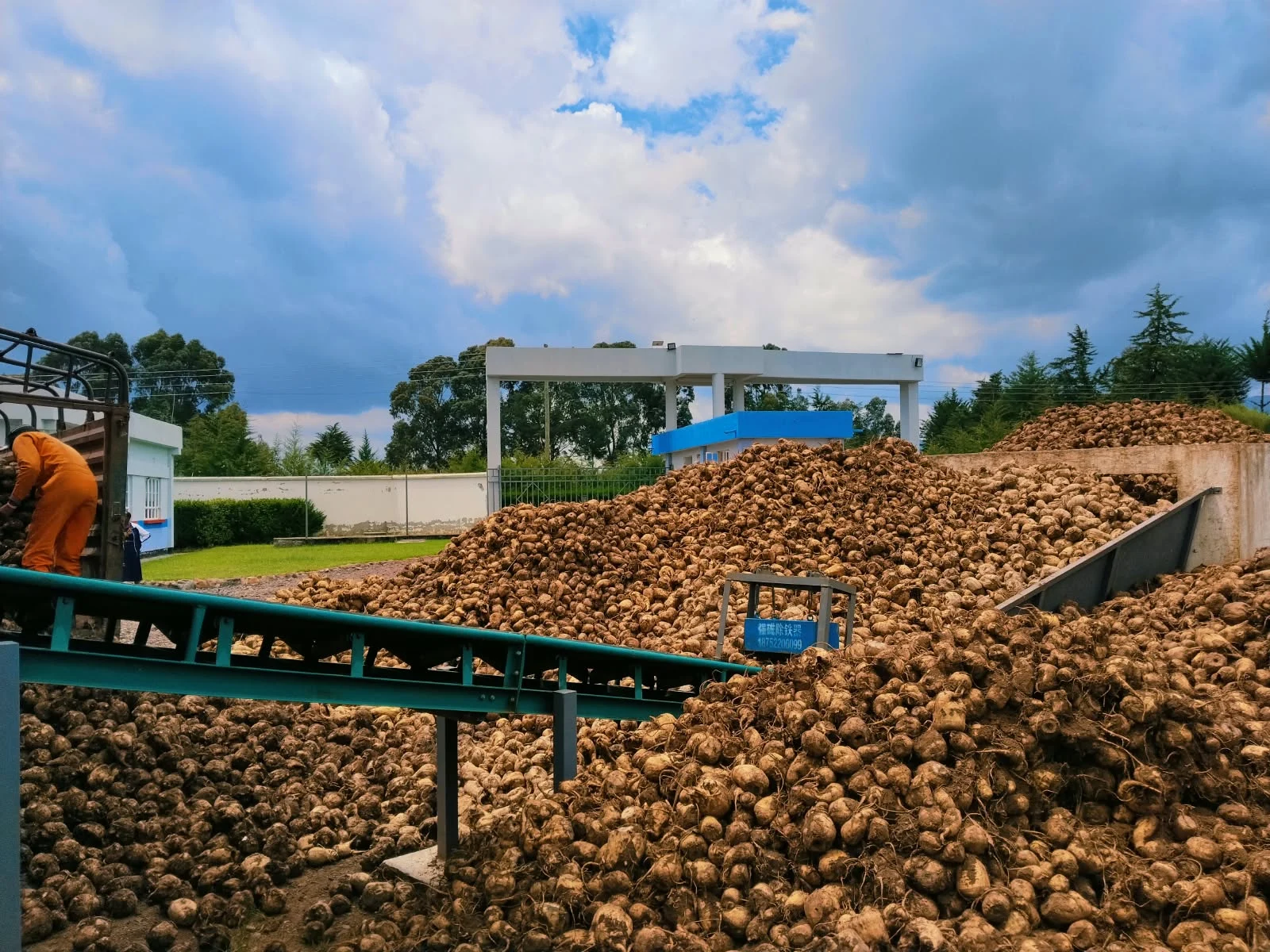
Harvested roots arrive at the factory, where soil and stones are washed off. The clean beet is then cut into thin strips called cossettes, which expose as much of the root as possible.
How sugar beet differs from sugarcane and how sugar is extracted from the harvested root.
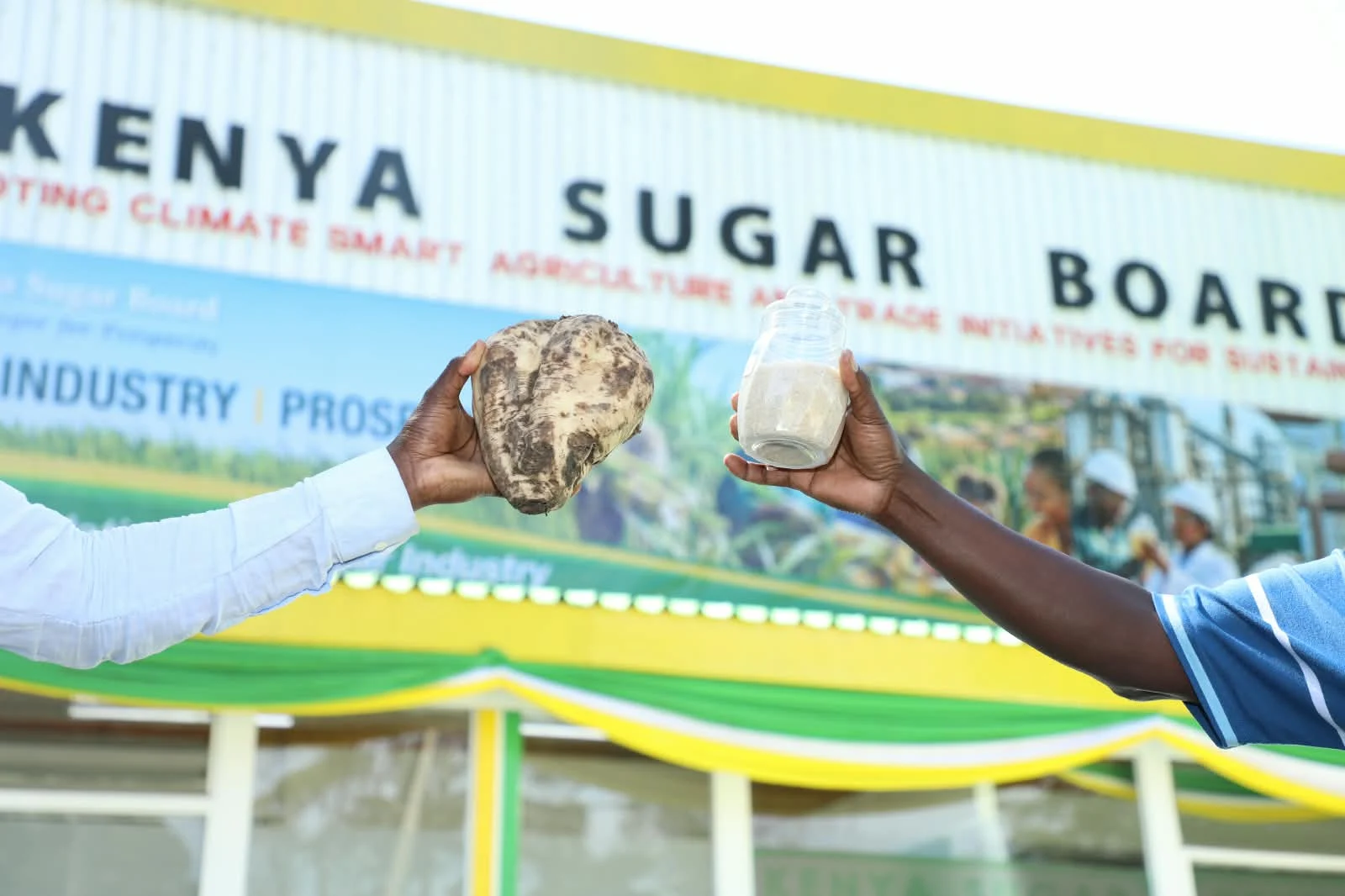
Sugar beet stores sucrose in its root. Sugarcane stores it in its stalk. Once refined, both give the same sucrose. Choosing beet is about the crop and the way it is grown and processed, not about making a different kind of sugar.
Beet is grown for sugar in temperate regions around the world, and roughly a fifth of the world's sugar comes from it. It fits well into crop rotations, and processing it yields useful co-products such as beet pulp and molasses.
Like any crop, beet does best when it is matched to the right place. Harvest timing, water needs and yields depend on the variety, the local climate and good farming practice. That is why local knowledge of the land and the season matters so much to us.
| What changes | Sugar beet | Sugarcane |
|---|---|---|
| Sugar-bearing part | Root | Stalk |
| Typical growing environment | Temperate regions | Tropical and subtropical regions |
| Farming system | Can be a rotation crop | Often harvested over successive ratoon cycles |
| Processing co-products | Beet pulp and molasses | Bagasse and molasses |
| Refined sugar | Sucrose | Sucrose |
An overview of conventional beet sugar processing.
Harvested roots arrive at the factory, where soil and stones are washed off. The clean beet is then cut into thin strips called cossettes, which expose as much of the root as possible.
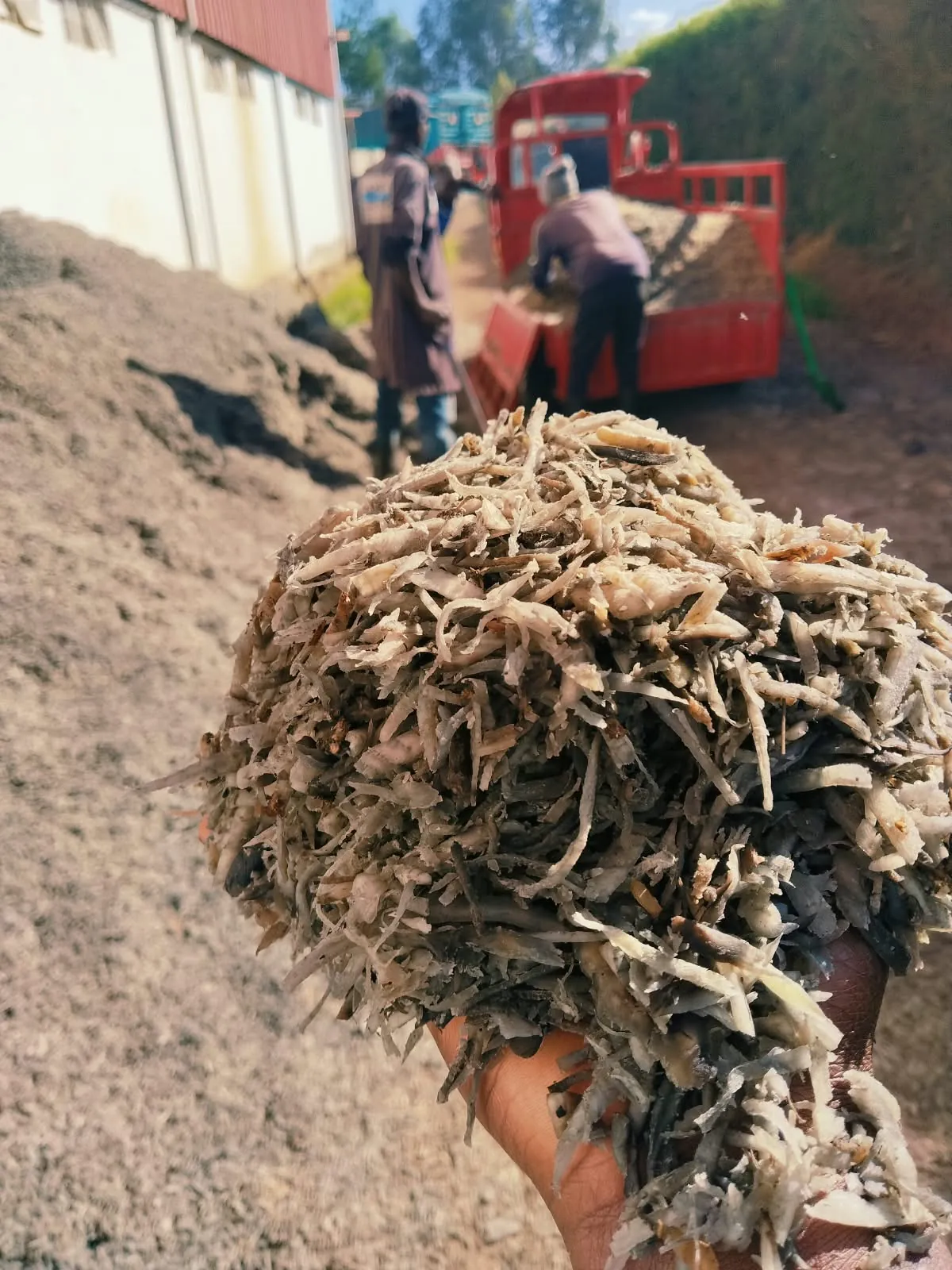
The cossettes pass through hot water, which draws the sugar out of the beet. What remains is beet pulp, which is pressed and dried for animal feed.
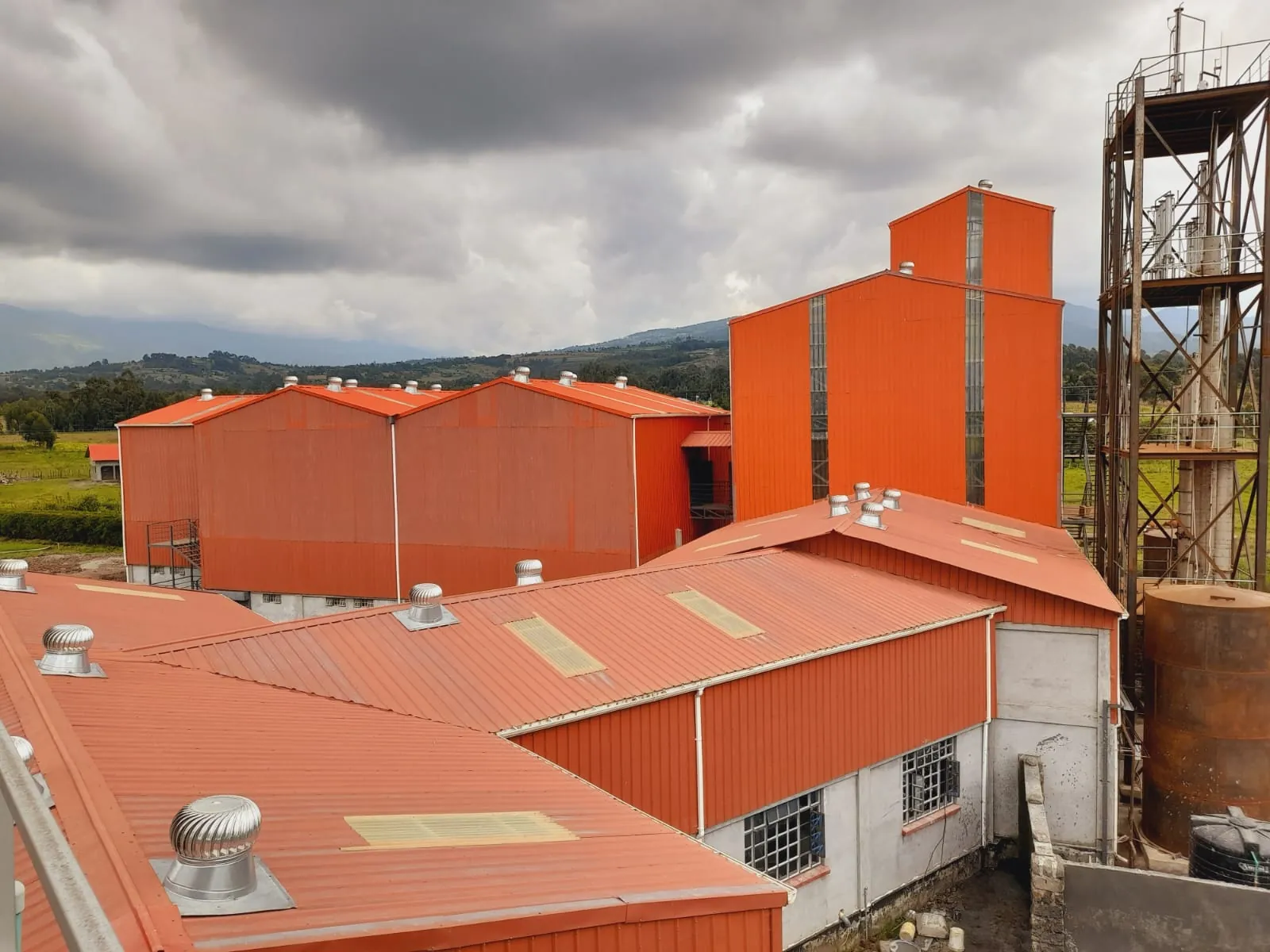
The sugary juice is cleaned to remove impurities. Water is then evaporated off until the juice becomes a thick syrup.
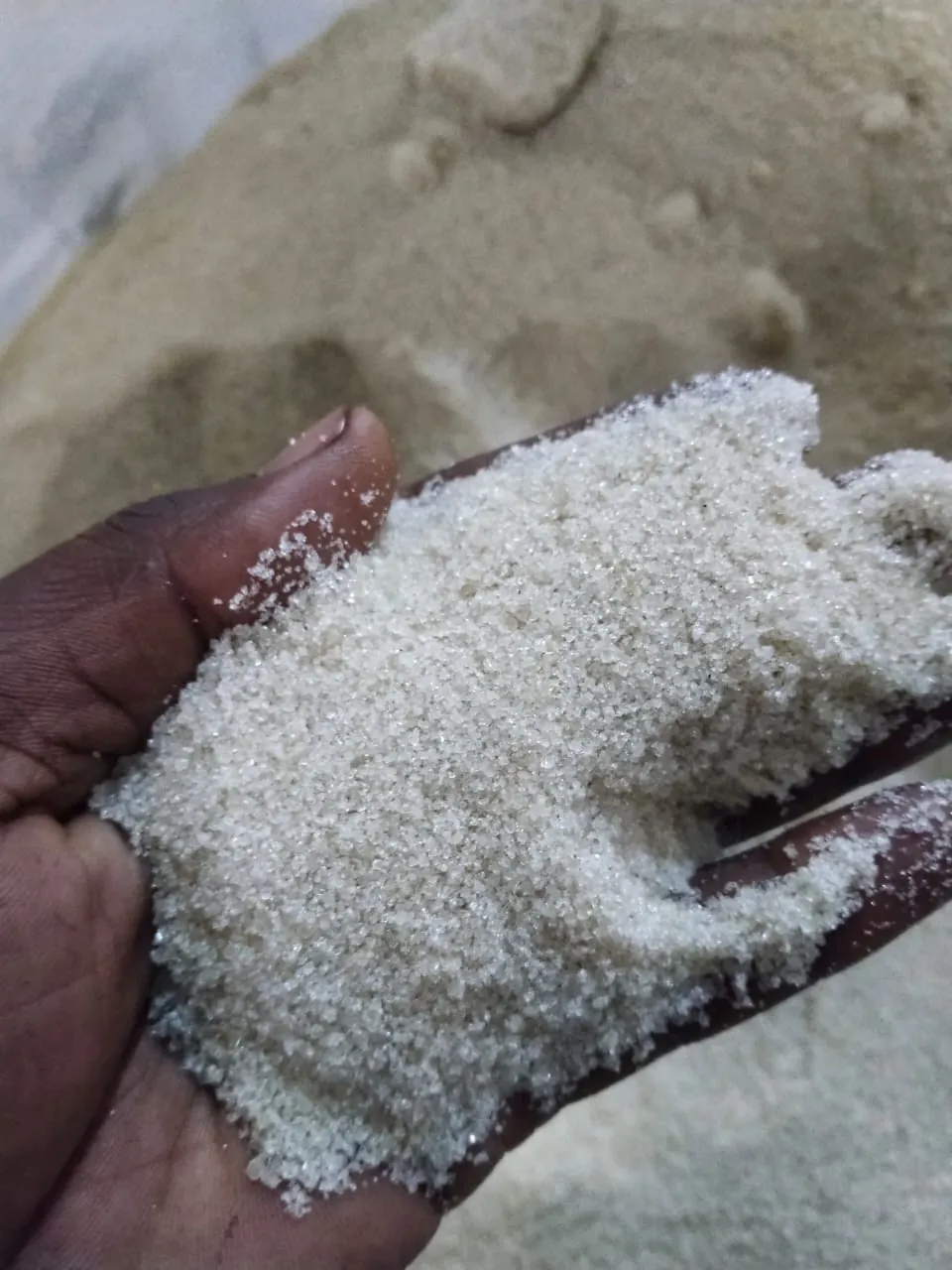
The syrup is boiled further until sugar crystals form. The crystals are separated from the remaining molasses, then dried, cooled and packed.
Further reading: British Sugar — beet sugar production and research on sugar beet crop rotations. The steps above describe the conventional beet sugar process.
Common questions about beet sugar and how it compares with the sugar Kenyans already know.
For enquiries about sugar beet processing, cultivation or business partnerships, contact our team at Sukari House.